Interaction Design • Samsung R&D
Designing Human–Machine Interaction
Role
Interaction Designer
Timeline
2022 - 2024
Domains
XR & AR/VR
AI & Multimodal Systems
Robotics
Cultural Design
Focus
Interaction Behavior
Social Acceptability
System Frameworks
Global Scale Design
Overview
At Samsung, my work centered on a single question:
How should intelligent systems behave when they enter human space?
Not how they look. Not how many features they support. But how they respond, adapt, and stay out of the way—while remaining powerful.
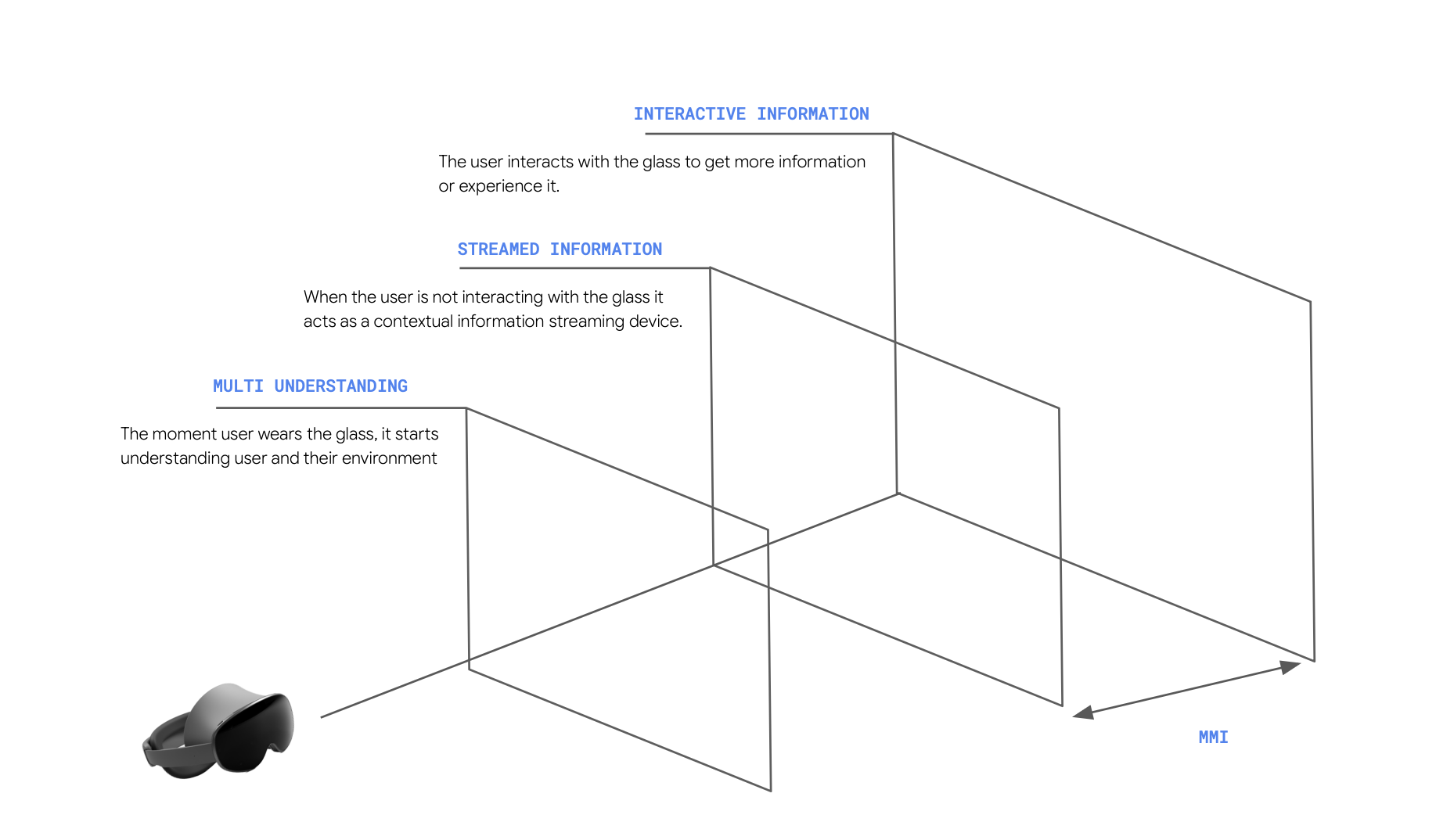
I worked across XR, AR/VR, AI, robotics, and multimodal platforms. While domains shifted, the intent stayed constant: designing interaction behavior that feels obvious, respectful, and socially aware, even as systems grow more complex.
Impact
Value Delivered: I designed interaction systems that respect human behavior, social context, and emotional nuance—while working at real-world scale. Because much of this work is under NDA, projects are presented as themes rather than detailed case studies. Detailed walkthroughs and artifacts are available in interviews.
THE JOURNEY
Translating Messy Signals into Clear Intent
As systems moved beyond single inputs, interaction design became less about UI states and more about interpreting human signals.
I designed multimodal interaction models where voice, touch, spatial input, and context operated as a unified loop. The challenge wasn't adding inputs—it was deciding which signal mattered when, and how the system should respond without demanding attention.
The goal was simple: absorb complexity into the system so interactions remain predictable, confident, and quiet.
Source: Samsung commercial video
Scaling Interaction Thinking Across Teams
As similar interaction problems surfaced across teams, consistency became the challenge.
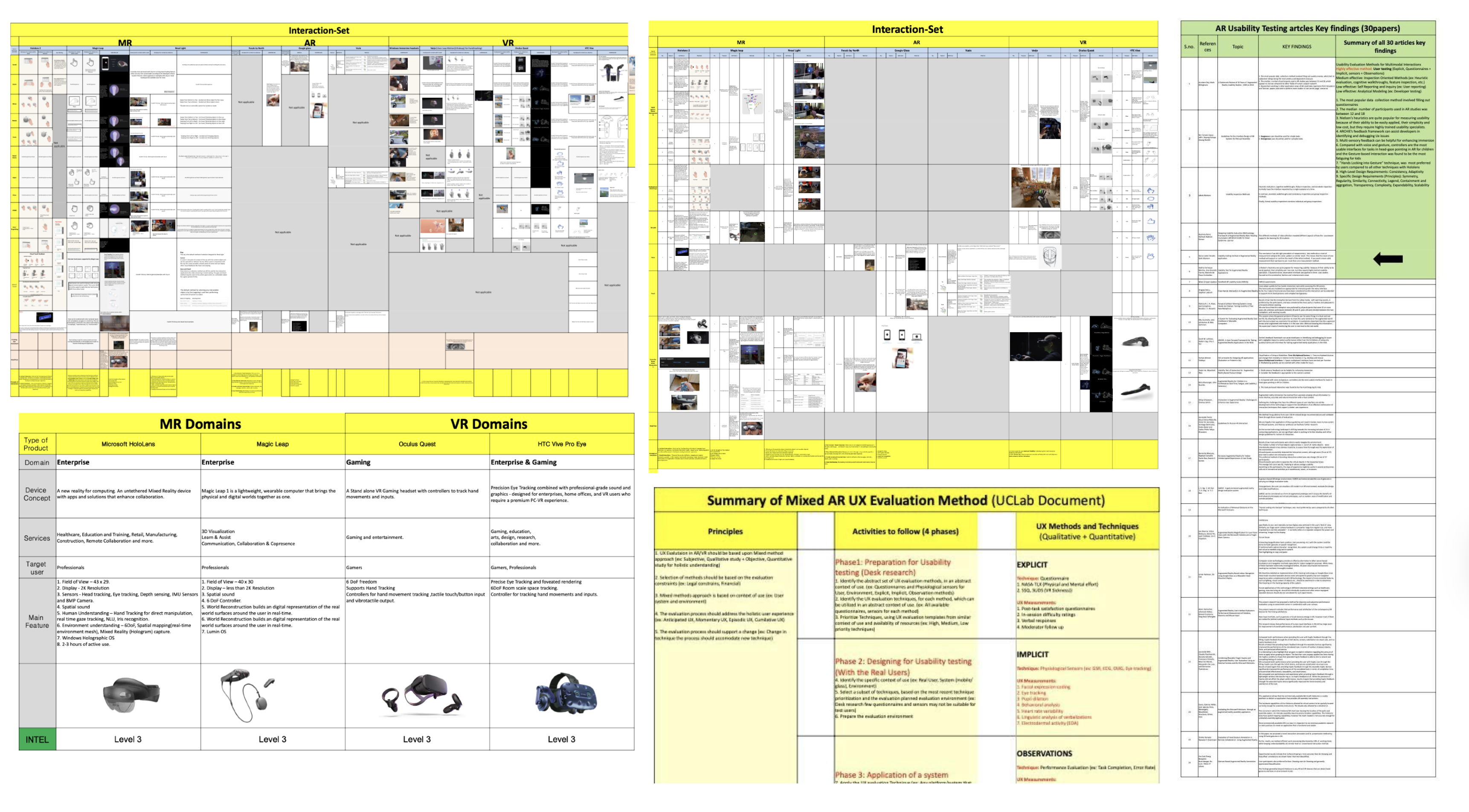
I led the creation of internal multimodal and XR interaction frameworks that translated research into shared design language. Rather than prescribing solutions, these systems clarified how to reason about behavior, enabling teams to make aligned decisions without revisiting first principles.
I also collaborated with Samsung HQ, India teams, and KAIST on AI and human–robot interaction guidebooks, aligning system capability with human expectation.
The result: faster progress, fewer reversals, and stronger human-centered outcomes.
When Design Decisions Reach Hundreds of Millions
Design decisions made early in a system often travel farther than intended.
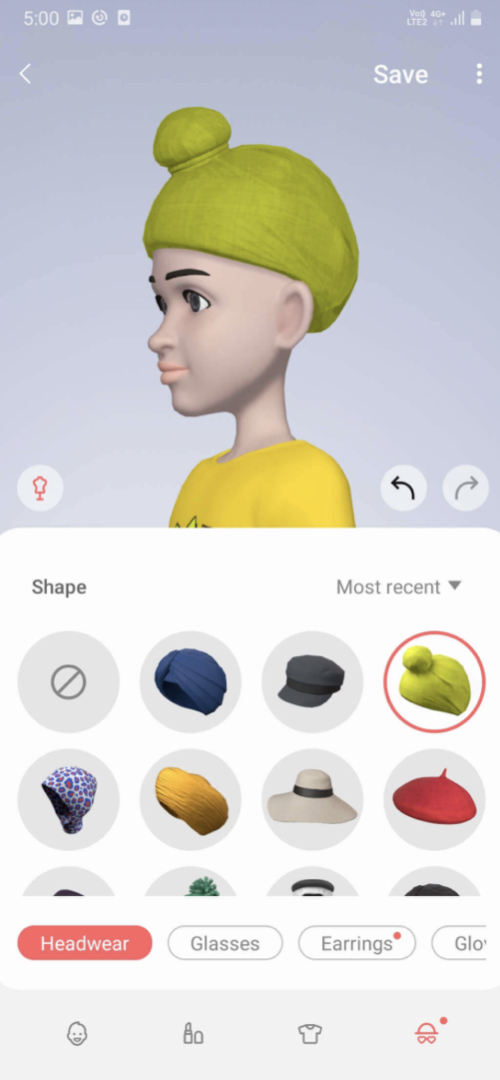
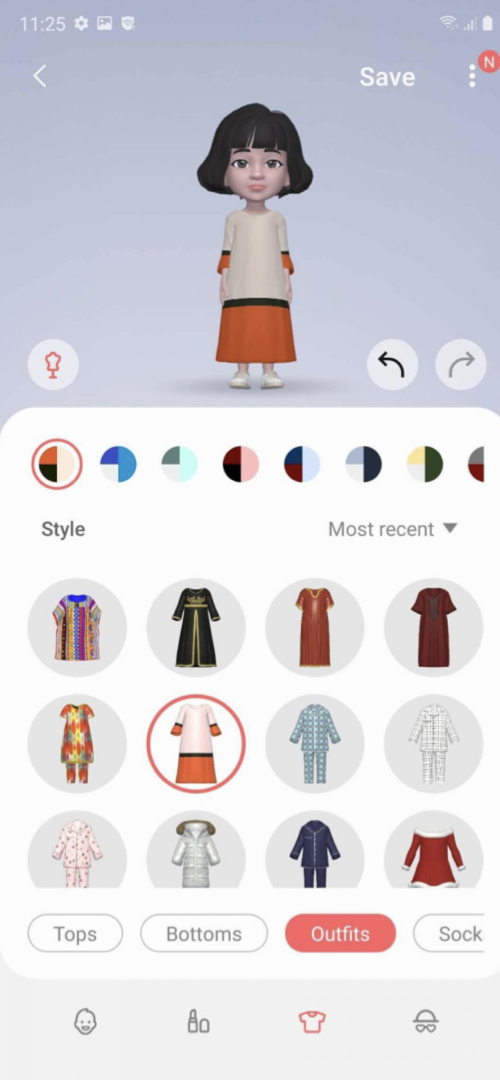
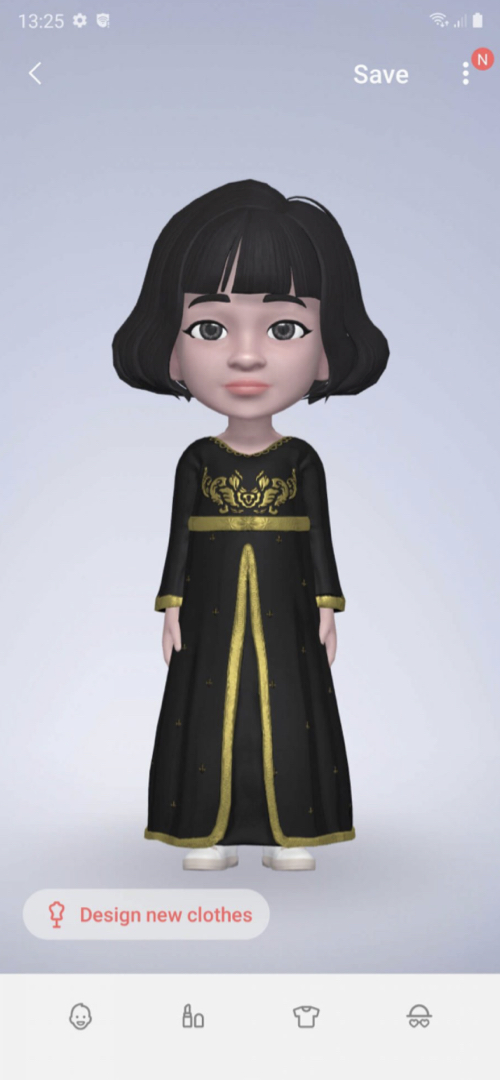
I worked on AR Emoji experiences designed for global deployment, where choices around representation, expression, and performance would scale across cultures and hundreds of millions of users.
Research here focused less on trends and more on identity, emotional resonance, and cultural accuracy—ensuring personalization felt authentic without fragmenting the platform.
commercial
Designed 3D emoji Outfits for Samsung's AR emoji studio for 500m+ user
REFLECTION
Keeping Systems Human
Across these projects, my role remained consistent: designing interaction systems that respect human behavior, social context, and emotional nuance—while operating at real-world scale.
Details are intentionally abstracted due to NDA.
Deeper walkthroughs are available in conversation.
Making Interaction Socially Viable
When interaction leaves the screen and enters the physical world, usability is only the baseline.
What follows is social acceptance.
I worked on XR and AR glass concepts exploring how people interact with systems in public, shared, and private environments. Research focused on questions that determine real adoption:
Often, the right design choice was restraint—fewer gestures, delayed responses, or no interaction at all. These decisions made the systems usable beyond demos.
Source: Samsung commercial video